
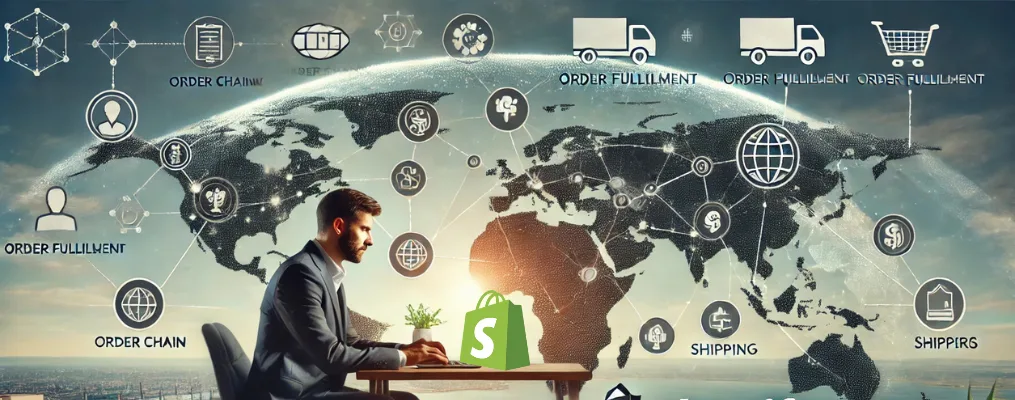
How To Start a Dropshipping Business on Shopify
Diving into the dropshipping business can be an exciting journey, especially when you’re equipped with the right knowledge and tools. With the global dropshipping market valued at a staggering $350 billion, it’s clear that this industry is not only thriving but also full of opportunities for newcomers. If you’re serious about building a successful dropshipping store from anywhere in the world, you’re in the right place. Let’s explore how to establish a dropshipping business that stands out.
Understanding Dropshipping
First off, let’s clarify what dropshipping is. It’s a low-cost e-commerce model that allows you to sell products without the hassle of holding inventory or managing shipping. Instead, you partner with suppliers who handle everything from manufacturing to shipping directly to your customers. Your role? Focus on marketing and setting up your sales channels. It’s as simple as that!
Why Choose Shopify?
When it comes to platforms for dropshipping, Shopify truly shines. It’s incredibly beginner-friendly, low-cost, and offers a plethora of plug-and-play apps that simplify the dropshipping process. With Shopify, you can easily set up a store, manage your products, and even optimize your SEO—all in one place.
Plus, Shopify provides a free trial, so you can explore its features without any upfront investment. This is particularly enticing for newcomers who want to test the waters before diving in fully.
Reach to our expert DropShipping & Shopify executive to launch your store in just two weeks!
📦 Consider Tariffs When Choosing a Dropshipping Supplier
When targeting customers in the United States, understanding import tariffs is crucial to maintaining your product pricing and profit margins. Tariffs are taxes imposed on certain imported goods and can directly impact the landed cost of your product.
Why It Matters for U.S.-Based Dropshippers
-
Higher Product Costs: Many products imported from countries like China may be subject to Section 301 tariffs—an additional duty on top of standard import taxes.
-
Unexpected Fees: If you’re using fulfillment services like AliExpress or custom third-party agents, some items may incur customs duties or handling fees that aren’t disclosed upfront.
-
Delivery Delays: Items flagged at customs can take longer to clear, affecting your delivery timeline and customer satisfaction.
How to Reduce Tariff Risks
-
Source from Tariff-Friendly Countries: Countries with free trade agreements (FTAs) with the U.S., such as Mexico, East Europe, or India, may offer lower or no tariffs on many goods.
-
Use U.S.-Based Dropshipping Suppliers: Platforms like Spocket or US Direct allow you to source products from U.S. suppliers, eliminating import tariffs altogether.
-
Check the HS Code: Ask your supplier for the Harmonized System (HS) code of the product to estimate applicable duties using the U.S. Customs Tariff Schedule.
-
Factor Tariffs into Pricing: If your products are subject to duties, include that cost in your pricing strategy to protect your margins.
Quick Tip
Use the U.S. Harmonized Tariff Schedule to research if a product is subject to additional tariffs before listing it.
Key Ingredients for Dropshipping Success
Getting started in dropshipping requires more than just enthusiasm. Here are the essential ingredients for your success:
- The Right Mindset: Believe in your ability to succeed and be ready to tackle challenges head-on.
- Finding Winning Products: Not all products are created equal. You need to identify items that are in high demand and can yield substantial profits.
- Effective Branding: Your branding will help you connect emotionally with your target audience.
- Solid Marketing Strategies: Knowing how to market your products effectively can make or break your business.
Finding Winning Dropshipping Products
One of the most crucial steps in dropshipping is identifying products that will sell. Here are some strategies to help you find those winning products:
1. Social Media Burner Method
Create a new TikTok account and search for trending keywords like #TikTokMadeMeBuyIt or #50%Off. Engage with videos related to dropshipping for about 30 minutes. This will fill your feed with potential product ideas.
2. Use Shopify Apps
Apps like Zendrop can help you filter out winning products based on various criteria like price range and location. Look for products that align with the qualities we discussed earlier.
3. Spy on Competitors
Utilize platforms like Dropship.i to see which dropshipping companies are making sales. This can validate your product choices and help you make informed decisions.
Validating Your Product Choices
Once you’ve identified potential products, it’s essential to validate them. Here’s a checklist to ensure you’re making the right choices:
- Check the product’s order volume to gauge demand.
- Look at reviews on Shopify and other platforms to ensure a minimum of a 3.5-star rating.
- Source from reliable sellers like Zendrop, AutoDS, or Spocket.
Building Your Shopify Store
Now that you have your products, it’s time to set up your Shopify store. Here’s how:
- Buy a Domain: Choose a relevant domain name through Shopify.
- Set Up Your Store: Use Shopify Magic to guide you through the setup process.
- Choose Your Store Type: Decide between a niche store, general store, or one-product store. One-product stores are particularly effective for focusing your marketing efforts.
Creating Strong Branding
Branding is more than just a logo; it’s about connecting with your audience. Here are some tools to help you build a solid brand:
- Brand Archetype Quiz: Identify your brand’s personality by taking a free online quiz.
- MyStoryBrand.com: Use this template to clarify your brand message.
- Shopify Logo Builder: Create a memorable logo that represents your brand.
Marketing Your Dropshipping Business
Having a killer product is great, but without a solid marketing strategy, it won’t sell. Here are the main marketing streams to consider:
Organic Marketing
Utilize social media platforms like TikTok and Instagram. Research viral videos and replicate their formulas. Make sure to hook viewers in the first three seconds of your videos.
Paid Advertising
Check out the TikTok Creator Center for top-performing ads in your niche. Analyze their conversion rates and replicate what works. Additionally, consider outsourcing to ad agencies if your budget allows.
Email Marketing
Use tools like MailChimp or Omnisend to host your email lists. Promote sign-ups through lead magnets such as discounts, giveaways, or free shipping incentives.
Crafting Irresistible Offers
To convert viewers into paying customers, you need to create offers they can’t refuse. Here’s a formula to follow:
- Use urgency and scarcity in your promotions.
- Focus on the dreams and desires of your customers.
- Sell the solution to their problems, not just the product.
Continuous Learning and Growth
To succeed in dropshipping, you must invest in your skills and knowledge. Stay updated with trends and continue learning. Remember, if others can succeed, so can you!
Conclusion
Starting a dropshipping business on Shopify is entirely possible with the right mindset and strategies. By finding winning products, building a strong brand, and implementing effective marketing strategies, you can carve your niche in this booming industry. Take the first step today, and before you know it, you’ll be on your way to building your dropshipping empire!
Thank you for joining me on this journey. If you found this information valuable, share this insights on dropshipping and e-commerce in your contacts who really need to know this!
